Wooden, PLA, or Sugarcane? The Best Eco Cutlery Options for NZ Workplaces
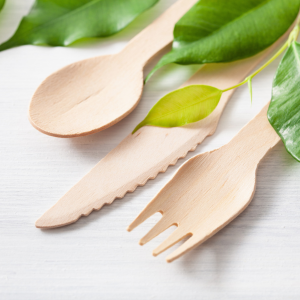
With New Zealand businesses under increasing pressure to eliminate single-use plastics, compostable cutlery has become a go-to solution. But not all eco cutlery is created equal. Materials like wood, PLA (cornstarch-based plastic), and sugarcane (bagasse) all have different strengths — and knowing which one to use can help your business stay sustainable, cost-effective, and compliant with council rules.
In this article, we compare the three most common types of biodegradable cutlery to help you make the smartest choice for your workplace.
Why Material Choice Matters
Choosing the right cutlery isn’t just about going green — it affects everything from customer satisfaction to waste disposal:
-
Does it work well with hot or oily foods?
-
Will customers be comfortable using it?
-
Can it be composted locally under NZ council regulations?
-
What are the long-term cost implications?
Let’s look at how each material stacks up.
Wooden Cutlery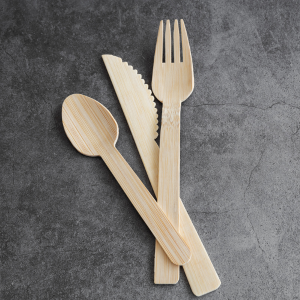
Pros:
-
Home compostable (no commercial facility needed)
-
Strong and durable
-
Natural look enhances eco branding
Cons:
-
Slight woody taste for some users
-
Feels firmer and less smooth than plastic or PLA
-
May be more expensive than PLA in bulk
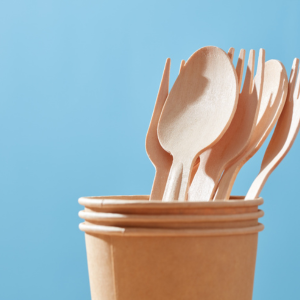
Best for: Cafés, events, schools and offices wanting a home-compostable, natural aesthetic.
PLA Cutlery (Polylactic Acid)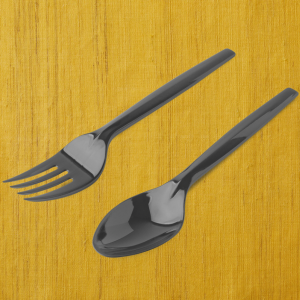
Pros:
-
Made from fermented plant starch (usually corn)
-
Looks and feels like plastic — smooth and familiar to users
-
Performs well with hot and cold foods
-
Often cheaper than wood or sugarcane
Cons:
-
Requires commercial composting (not home compostable)
-
Not accepted in all NZ council composting programmes
-
Can contaminate waste if not sorted properly
Best for: Large-scale venues, food courts, or takeaway providers with access to industrial composting systems.
Sugarcane Cutlery (Bagasse)
 Pros:
Pros:
-
Made from sugarcane fibre — a waste by-product of the sugar industry
-
Fully compostable (commercial)
-
Strong and heat-resistant
-
Excellent for heavy meals and greasy food
Cons:
-
Needs commercial composting
-
More costly than PLA in some cases
-
Can be bulkier than wood or PLA
Best for: Corporate caterers, high-volume hospitality, or institutions wanting a premium compostable solution.
Which Cutlery is Best for Your Business?
To choose the best material, consider:
-
Your composting options: If your council doesn’t accept PLA or sugarcane, wooden may be the safest. For a deeper look at how local rules impact your product choices, read our article: Do Council Composting Rules in NZ Affect Biodegradable Cutlery Use?.
-
User experience: Smooth, plastic-like feel? Choose PLA. Natural look? Choose wood.
-
Food type: Heavier, greasy meals? Sugarcane is strongest.
-
Budget: PLA is usually cheapest; wood and sugarcane cost more but are more sustainable. For tips on saving while going green, read our blog: How to Stock Biodegradable Cutlery Without Blowing Your Budget in NZ.
Partner with Insinc for the Right Fit
At Insinc, we supply all three types of compostable cutlery and help NZ businesses choose the right solution:
-
Certified compostable and food-safe products
-
Bulk pricing and tailored recommendations
-
Advice on aligning with local council composting rules
https://www.insinc.co.nz/biodegradable-cutlery.html
Posted: Saturday 20 December 2025