
Compostable Courier Bags vs Plastic: What’s Better for NZ Businesses?
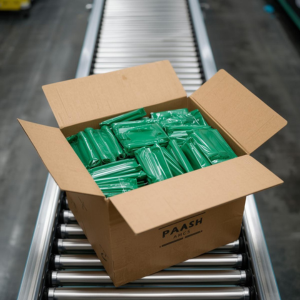
Choosing the right courier bag is more than a logistical decision—it's a branding and sustainability move. For New Zealand businesses looking to align with eco-conscious values, the choice between compostable and plastic courier bags can shape both public perception and operational impact. In this blog, we compare compostable and plastic packaging in terms of strength, environmental footprint, cost, and customer appeal.
Understanding the Difference
What Are Compostable Courier Bags?
Compostable courier bags are made from renewable plant-based materials like PLA (polylactic acid), PBAT (polybutylene adipate terephthalate), and cornstarch. These materials break down in composting environments and return to the earth without leaving microplastic residues.
What Are Plastic Courier Bags?
Plastic courier bags are made from petroleum-based materials, typically polyethylene. While often recyclable, they contribute significantly to landfill waste when not processed correctly. Some plastic bags are made from recycled plastic, which lowers their carbon footprint but still carries long-term environmental risks.
Comparison Table
|
Feature |
Compostable Bags |
Plastic Bags |
|
Material Source |
Plant-based (renewable) |
Petroleum-based (non-renewable) |
|
Biodegradability |
Yes, under composting conditions |
No, takes hundreds of years to degrade |
|
Microplastic Residue |
None |
Yes |
|
Recyclability |
Compostable, not recyclable |
Recyclable (if facilities exist) |
|
Strength |
Strong for light/medium-weight goods |
Very strong, suitable for all weights |
|
Cost |
Slightly higher upfront |
Generally lower upfront cost |
|
Brand Perception |
Eco-conscious, modern |
Neutral or outdated |
Strength & Performance

Compostable courier bags are strong enough for most retail items like clothing, books, documents, and pre-boxed goods. However, for heavier items or sharp-edged contents, plastic may still provide greater durability.
To learn more about how strong compostable courier bags really are, check out our related article: Are Compostable Courier Bags Strong Enough for Shipping?.
Environmental Impact
Plastic courier bags contribute to long-term pollution and harm to marine life. Even when recyclable, many plastic bags are not processed correctly due to facility limitations or consumer behaviour.
Compostable bags, on the other hand, break down into non-toxic matter—especially if certified home or commercially compostable. Certifications to look for include:
-
AS 5810 (home compostable)
-
AS 4736 (commercial compostable)
If you're interested in how compostable courier bags can elevate your brand and create a stronger connection with customers, check out our article: How Compostable Courier Bags Help Your Business Stand Out. It offers insights into how packaging choices influence customer loyalty and environmental reputation for NZ companies.
Cost Considerations
Plastic bags are cheaper upfront, but compostable bags offer long-term brand value and alignment with sustainability goals. Eco-conscious customers are often willing to pay more or stay loyal to brands that demonstrate environmental responsibility.
Customer Appeal in NZ
New Zealand consumers are increasingly drawn to eco-friendly packaging. Using compostable bags signals a commitment to the environment and can positively influence customer retention and trust.
What’s Best for Your Business?
If your business ships light to medium-weight items and wants to lead in sustainability, compostable courier bags are an excellent option. For businesses prioritising cost above all else or shipping very heavy items, recycled plastic bags may still be viable in the short term.
At Insinc Products, we supply both compostable and recyclable courier bags to suit your business needs. Whether you're going green or transitioning gradually, we can help you make the right packaging decision.
FAQ – Compostable vs Plastic Courier Bags
Are compostable bags as durable as plastic ones?
They are durable enough for most uses but may not suit very heavy or sharp items.
Do compostable bags cost more?
Yes, slightly—but they offer higher brand value and appeal to eco-conscious consumers.
Can compostable bags go in the recycling bin?
No. Compostable bags must go in composting environments, not recycling streams.
Are plastic bags recyclable in NZ?
Some are, but only if clean and if facilities accept them. Many still end up in landfill.
Which bag is better for my business?
It depends on what you ship and your brand values. Compostable is best for light goods and eco branding.
Conclusion
Both compostable and plastic courier bags have pros and cons. Compostable options offer strong brand and environmental benefits, while plastic remains more cost-effective for some businesses. The best choice depends on your product type, values, and goals.
https://www.insinc.co.nz/category/compostable-courier-bags
Posted: Friday 16 January 2026