Do Council Composting Rules in NZ Affect Biodegradable Cutlery Use?
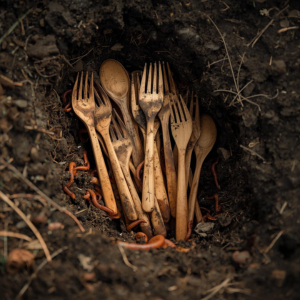
For Kiwi businesses looking to reduce plastic waste, biodegradable or compostable cutlery can seem like an eco-friendly no-brainer. But here’s the catch: not all councils in New Zealand accept biodegradable or compostable cutlery in their composting systems — and the rules around its disposal matter for waste management, sustainability reporting and customer messaging.
Below, we unpack what council composting rules mean for biodegradable cutlery use, how to ensure products are genuinely compostable, and why this matters for your commercial business.
What “Biodegradable” & “Compostable” Really Mean
Understanding the terminology is essential for business owners:
- Biodegradable generally means a product will break down over time, but there’s no guarantee it will do so within a set timeframe or in any specific environment.
-
Compostable means a product will break down fully into non-toxic components under defined composting conditions — either home composting or commercial composting — and leave behind beneficial organic matter.
In New Zealand you’ll often see certifications such as:
-
AS 4736 (commercial composting)
-
AS 5810 (home composting)
-
EN 13432 or ASTM standards recognised internationally.
Important: A product labelled biodegradable isn’t automatically accepted at a composting facility — and without proper certification, it may contaminate compost and be rejected.
If you're unsure which compostable cutlery materials best suit your business or waste stream, check out our detailed comparison guide: Wooden, PLA, or Sugarcane? The Best Eco Cutlery Options for NZ Workplaces.
Council Composting Rules in NZ
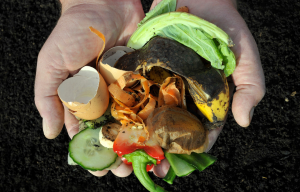
Unlike standard recycling, the management of organic waste in NZ — including compostable items — is not held to a single national standard. Instead, it’s influenced by:
Local Council Organics Collections
Many councils run kerbside green bin or organics collections, but:
-
Not all councils accept compostable packaging and cutlery in these bins.
-
Some councils’ collection contracts stipulate what can go into composting streams. If a council doesn’t allow compostable plastics or certified compostables, these materials often go to landfill instead.
This means your biodegradable cutlery might not be accepted even if technically compostable — simply because the council system doesn’t accept it.
Industrial Composting vs Kerbside Systems

Why does this matter?
Industrial Composting Facilities
New Zealand has a limited number of industrial composting facilities that process certified compostable products. These facilities reach the high temperatures and moisture required to break down compostable plastics, bagasse or wood alternatives.
However:
-
There are only a few facilities nationwide that accept compostable packaging and serviceware.
-
Council kerbside composting collections often do not include certified compostables.
-
Contamination (mixing with regular plastics) is a common reason councils reject these materials.
So while biodegradable cutlery might be industrial-compostable on paper, its actual disposal path in your region depends on council rules and infrastructure.
Why This Matters for Commercial Businesses
For cafes, eateries, hospitality venues, and corporate facilities, biodegradable cutlery is a visible commitment to sustainability — but without the right waste stream in place, the environmental benefits may not materialise:
Waste Stream Compatibility
-
If your council doesn’t accept biodegradable cutlery in green bins, it could end up in landfill.
-
Misplaced compostable products can contaminate other waste streams, increasing costs or rejection rates.
Customer & Brand Expectations
Consumers increasingly expect genuinely sustainable options. If you advertise “composable cutlery” but customers can’t dispose of it compostably in your area, this may harm brand trust.
For further reading, check out our article: Why Your Eco Cutlery Choice Could Be a Marketing Advantage in NZ. It explores how smart choices around sustainable packaging can not only reduce waste, but also help position your brand as a leader in environmental responsibility.
How to Navigate Council Rules (Best Practice)
Here are practical steps NZ businesses can take:
1. Check local council guidelines
-
Ask your city or district council whether certified compostable packaging and cutlery are accepted in kerbside or food organics collection. Policies vary by region.
2. Choose certified products
-
Only source cutlery with recognised compostable certification — this helps when engaging with industrial composters or specialised waste collectors.
3. Work with waste partners
-
Some composting companies and networks collect compostables directly from businesses, bypassing council systems and sending them to certified facilities.
4. Educate your staff & customers
-
Proper sorting and bin labelling reduces contamination and helps ensure compostable waste actually gets composted.
Final Thoughts
Council composting rules in New Zealand do affect biodegradable cutlery use — often significantly.
The biggest challenge is not the material itself, but the waste infrastructure and collection rules that determine whether certified compostable cutlery is actually composted rather than landfilled.
For NZ businesses serious about sustainability, that means:
-
Know what your local council accepts
-
Choose the right certified materials
-
Work with waste partners for proper composting
Informed decisions not only reduce environmental impact but also strengthen your brand’s sustainability credentials.
Shop Compostable Cutlery & Packaging at Insinc
At Insinc, we offer a wide range of certified compostable cutlery and eco-friendly packaging suitable for New Zealand workplaces. Whether you’re a café, caterer, school or corporate office, we help you make sustainable switches that align with local composting infrastructure.
-
Explore our compostable product range
-
Request a custom product recommendation
-
Support NZ businesses leading sustainable change
https://www.insinc.co.nz/biodegradable-cutlery.html
Posted: Saturday 20 December 2025