
The Complete Guide to Infection Control in Tattoo Studios in New Zealand
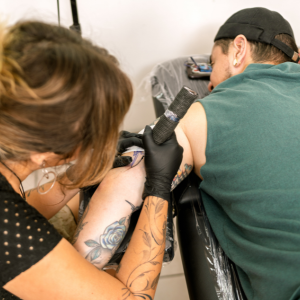
Infection control in tattoo studios is not just about compliance — it is about protecting clients, safeguarding artists, and protecting the long‑term reputation of your business. With increasing awareness around bloodborne pathogens, hygiene standards, and cross‑contamination risks, tattoo studios in New Zealand are expected to operate at a professional healthcare‑level standard of cleanliness. This comprehensive guide explains infection control best practice, outlines regulatory expectations, and provides practical, step‑by‑step systems you can implement immediately in your studio.
Why Infection Control is Critical in Tattooing
Tattooing involves breaking the skin barrier thousands of times per minute. Anytime skin is penetrated, there is potential exposure to blood and bodily fluids. Without strict infection control protocols, studios risk transmitting:
-
Hepatitis B
-
Hepatitis C
-
HIV
-
Staphylococcus infections
-
Streptococcal infections
-
Other bacterial or viral pathogens
According to the World Health Organization (WHO), unsafe injection and skin‑penetration practices remain a global transmission pathway for bloodborne diseases. While New Zealand has strong public health systems, infection control failures can still lead to outbreaks, legal liability, and permanent reputational damage.
For tattoo studios, hygiene is not optional — it is your licence to operate.
NZ Health Regulations Tattoo Studios Must Follow
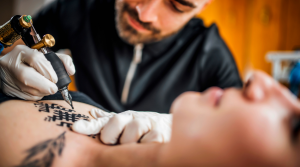
In New Zealand, tattoo studios must comply with local council health bylaws and national public health guidelines. Councils generally require:
-
Registered premises
-
Approved handwashing facilities
-
Separate cleaning sinks
-
Safe sharps disposal systems
-
Documented cleaning procedures
-
Staff training in infection control
Studios are expected to follow New Zealand Ministry of Health infection prevention and control guidance for infection prevention and control. This includes proper sterilisation, cleaning protocols, and the use of appropriate personal protective equipment (PPE).
Failure to meet tattoo hygiene standards in New Zealand can result in fines, closure notices, or loss of registration.
Understanding Bloodborne Pathogens (Hepatitis B, C, HIV)
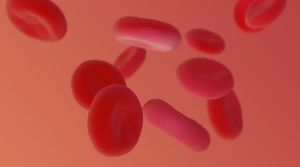
Bloodborne pathogens are infectious microorganisms present in human blood that can cause disease.
Hepatitis B (HBV)
A virus affecting the liver. It can survive outside the body for at least 7 days and remain infectious.
Hepatitis C (HCV)
Primarily transmitted through blood-to-blood contact. It can survive on surfaces for extended periods under certain conditions.
Human Immunodeficiency Virus (HIV)
Transmitted through blood exposure. While less resilient outside the body than HBV, strict precautions are still required.
This is why infection control in tattoo studios in NZ must be treated with the same seriousness as medical settings.
Cross-Contamination: How It Happens
Cross contamination in tattooing occurs when pathogens transfer from one surface, tool, or person to another.
Common examples include:
-
Touching spray bottles with contaminated gloves
-
Adjusting lights or phones mid‑procedure
-
Reusing cloths between clients
-
Ink splash contamination on work surfaces
-
Improper glove removal
Even small lapses can compromise the entire workspace.
Preventing cross contamination requires barriers, disposable supplies, and strict workflow discipline.
Surface Disinfection: What Actually Works?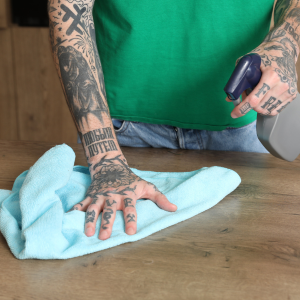
Not all cleaning products are equal. For tattoo studio cleaning requirements, you need a hospital‑grade disinfectant that is proven effective against bacteria, viruses, and fungi.
Why hospital‑grade disinfectant matters
Hospital‑grade disinfectants are tested to meet efficacy standards against pathogens including HBV and HIV. Using general household cleaners is not sufficient.
When selecting disinfectants for tattoo studios, ensure:
-
It is labelled hospital‑grade
-
It lists virucidal, bactericidal and fungicidal efficacy
-
Contact time instructions are clearly followed
-
It is suitable for hard surfaces
Following the manufacturer’s contact time (often 1–10 minutes) is critical for effectiveness.
Studios can source reliable hospital‑grade surface disinfectants and cleaning supplies from trusted NZ suppliers like Insinc to ensure compliance and consistency.
Disposable vs Reusable Equipment – What’s Safer?
Disposable products dramatically reduce contamination risk because they eliminate the need for reprocessing.
Disposable Advantages
-
Single use = lower cross contamination risk
-
No sterilisation failure risk
-
Time efficient between clients
-
Clear visual hygiene standards
Reusable Risks
-
Incomplete cleaning
-
Steriliser malfunction
-
Human error in reprocessing
In modern tattoo hygiene standards in New Zealand, disposable barriers, wipes, gloves, aprons and protective covers are considered best practice for non‑critical items.
PPE for Tattoo Artists (Gloves, Aprons, Barriers)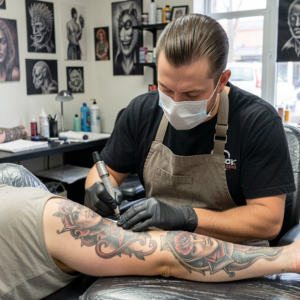
Personal protective equipment protects both artist and client.
Why black nitrile gloves are preferred
Black nitrile gloves are the industry standard because:
-
They are latex‑free (reducing allergy risk)
-
They offer strong puncture resistance
-
Ink stains are less visible, maintaining a professional appearance
-
They provide excellent tactile sensitivity
Powder‑free nitrile gloves are recommended to prevent residue contamination. Gloves should be changed:
-
Between every client
-
Immediately if torn
-
After touching non‑sterile surfaces
-
When switching tasks
If you want a deeper breakdown of glove materials, safety standards, and why most professional artists choose black nitrile over other options, see our detailed guide: Why Professional Tattoo Artists Choose Black Nitrile Gloves (And Why It Matters). That article explores glove durability, puncture resistance, allergy safety, and why nitrile gloves have become the industry standard in modern tattoo studios.
How often gloves should be changed
Best practice is to change gloves multiple times during a single session if contamination risk occurs. Hand hygiene must occur before putting on new gloves.
Studios should always keep adequate stock of black disposable gloves to avoid rationing or reuse.
Disposable aprons and barrier protection
Aprons protect clothing from contamination. Barrier films can be applied to:
-
Tattoo machines
-
Clip cords
-
Work lights
All barriers must be removed and replaced between clients.
Why Lint-Free Paper Towels Reduce Infection Risk
Standard paper towels can shed fibres. In tattooing, lint contamination can:
-
Enter open skin
-
Interfere with ink saturation
-
Increase irritation risk
Lint‑free paper towels provide a cleaner wipe and reduce debris in fresh tattoos. High‑quality disposable wiping products are a simple but critical infection control measure.
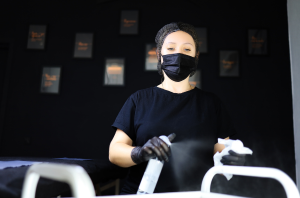
Cleaning Between Clients: Step‑by‑Step Protocol
-
Remove and dispose of all single‑use items
-
Safely discard sharps into approved sharps containers
-
Remove barriers carefully to avoid aerosol spread
-
Clean visible debris with disposable wipes
-
Apply hospital‑grade disinfectant to all hard surfaces
-
Allow full contact time
-
Replace all barriers
-
Perform hand hygiene
-
Apply fresh gloves before setting up next client
Documenting this process as part of your tattoo studio cleaning checklist strengthens compliance.
Waste Disposal & Sharps Management
Sharps must be disposed of in approved puncture‑resistant containers. Biohazard waste bags should be used for contaminated materials.
Improper disposal increases risk for:
-
Staff injury
-
Waste handlers
-
Environmental contamination
Studios should arrange appropriate clinical waste collection services and ensure containers are replaced before reaching capacity.
Creating Client Confidence Through Hygiene
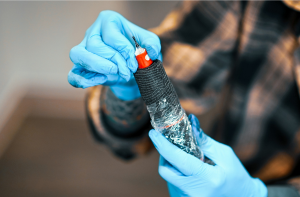
Modern clients actively look for visible hygiene standards. They notice:
-
Fresh gloves being opened
-
Clean workstations
-
Disposable coverings
-
Sealed sharps containers
Visible infection control builds trust and increases repeat business. Hygiene is marketing — not just compliance.
Studios that invest in professional‑grade disposable supplies and hospital‑grade disinfectants demonstrate commitment to safety and professionalism.
Frequently Asked Questions
What disinfectant should tattoo studios use in NZ?
A hospital‑grade disinfectant effective against viruses and bacteria, used according to manufacturer contact time instructions.
Are black gloves better for tattooing?
Yes. Black nitrile gloves are latex‑free, durable, and maintain a professional appearance.
How often should a tattoo station be disinfected?
After every client and at the end of each day. High‑touch surfaces may require additional cleaning throughout the day.
Are disposable supplies required by law?
While not always legally mandated for every item, they are strongly recommended to meet infection control best practice.
Downloadable Resource: Tattoo Studio Infection Control Checklist
Include in your studio:
-
Daily cleaning checklist
-
Between‑client protocol
-
Weekly deep clean schedule
-
PPE stock monitoring sheet
-
Sharps disposal tracking log
(Downloadable PDF version to be attached here.)
Staff Training and Hygiene Culture
Even the best infection control plan will fail without proper staff training. Tattoo artists and studio staff should be trained in infection prevention practices before performing procedures independently.
Training should include:
-
Bloodborne pathogen awareness
-
Proper glove use and hand hygiene
-
Surface disinfection procedures
-
Safe sharps handling
-
Cross‑contamination prevention
-
Waste disposal protocols
Regular refresher training ensures that hygiene standards remain consistent across all staff members. Many studios implement written standard operating procedures (SOPs) so that cleaning and infection control processes are performed the same way every time.
A strong hygiene culture also encourages artists to speak up if they notice unsafe practices. Infection control should always be treated as a shared responsibility across the entire studio.
Sterilisation vs Disinfection: Understanding the Difference
Many tattoo artists use the terms sterilisation and disinfection interchangeably, but they are not the same.
Sterilisation eliminates all microorganisms, including bacterial spores. This is typically achieved using an autoclave for reusable equipment such as metal grips or tubes.
Disinfection, on the other hand, reduces microorganisms on surfaces to a safe level. Hospital‑grade disinfectants are used to sanitise workstations, chairs, trays, and other surfaces that may be exposed to contaminants.
Tattoo studios generally use a combination of both approaches:
-
Sterilisation for reusable tools that penetrate skin
-
Hospital‑grade disinfectants for environmental surfaces
-
Disposable supplies to minimise contamination risk
Using disposable alternatives wherever possible can significantly reduce reliance on complex sterilisation processes and minimise human error.
Managing Hygiene Supplies in a Tattoo Studio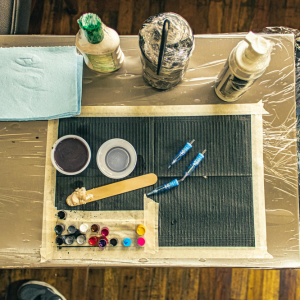
Running out of essential infection control supplies can create serious hygiene risks. Studios should implement a simple inventory system to ensure critical items are always available.
Essential infection control supplies typically include:
-
Barrier film and protective covers
-
Sharps containers
-
Biohazard waste bags
Purchasing these supplies in bulk from a reliable supplier, like Insinc, helps studios maintain consistent hygiene standards while reducing overall costs.
Many New Zealand studios partner with specialist hygiene suppliers like Insinc to ensure dependable access to professional‑grade disposable products and cleaning solutions designed for commercial environments.
Conducting Regular Hygiene Audits
One of the most effective ways to maintain infection control standards is through regular hygiene audits. These audits help studios identify gaps in their cleaning protocols before they become serious risks.
A hygiene audit might include reviewing:
-
Cleaning checklists and logs
-
PPE availability
-
Disinfectant usage procedures
-
Sharps disposal systems
-
Staff hygiene practices
Some studios conduct internal weekly checks, while others perform more formal monthly reviews. Keeping documented records can also be useful during council inspections or regulatory checks.
The Role of Visible Hygiene in Client Trust
Tattoo clients today are more informed than ever about health and safety risks. Many people actively assess a studio’s hygiene practices before booking an appointment.
Visible infection control practices that reassure clients include:
-
Opening new gloves in front of the client
-
Using disposable barriers
-
Cleaning surfaces between appointments
-
Maintaining organised workstations
-
Displaying hygiene certifications or training
Studios that visibly prioritise cleanliness create stronger trust with clients and often receive better reviews and repeat bookings.
In many ways, strong infection control practices are also a powerful marketing advantage.
Conclusion
Infection control in tattoo studios in New Zealand is about protecting health, meeting regulatory standards, and strengthening your professional reputation. Tattooing involves direct contact with blood and broken skin, which means strict hygiene protocols are essential for preventing infection and maintaining client safety.
By implementing clear cleaning procedures, preventing cross contamination, using hospital‑grade disinfectants, and relying on high‑quality disposable supplies, tattoo studios can significantly reduce risk while maintaining professional standards.
Equally important is building a studio culture where hygiene is treated as a core part of the craft. From wearing appropriate PPE such as black nitrile gloves to using lint‑free wiping products and safely disposing of sharps, every step contributes to safer tattooing practices.
For New Zealand tattoo studios, investing in reliable infection control supplies and maintaining consistent hygiene systems is not just about compliance — it is about building a reputation that clients trust.
A clean studio protects your clients, your artists, and your brand for the long term.
https://www.insinc.co.nz/protective-disposable-clothing.html
Posted: Friday 27 February 2026