
Top 5 Reasons to Switch to Recyclable Courier Bags in Your Online Store

As sustainability becomes a top priority for online shoppers, switching to recyclable courier bags can give your eCommerce business a competitive edge. In this article, we highlight the top five reasons why New Zealand online retailers should consider replacing traditional plastic packaging with recyclable alternatives.
1. Meet Customer Expectations for Sustainability
Today’s customers are more environmentally conscious than ever. Many actively seek out brands that demonstrate eco-friendly practices. Recyclable courier bags allow your store to align with these expectations, showing customers you care about your impact on the planet. This can result in increased loyalty, word-of-mouth referrals, and stronger customer trust.
For a more detailed breakdown of what recyclable courier bags are, how they work, and why they’re ideal for New Zealand businesses, be sure to read our article: What Are Recyclable Courier Bags? A Sustainable Packaging Guide for NZ Businesses.
2. Reduce Plastic Waste and Environmental Impact
Recyclable courier bags—especially those made from post-consumer recycled materials—help reduce the volume of plastic waste ending up in landfills. These bags can be reprocessed into new materials, contributing to a circular economy. By switching, your business becomes part of a broader effort to reduce environmental harm.
3. Enhance Brand Image and Reputation
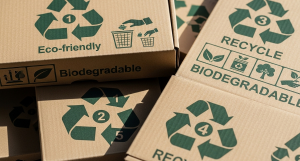
Eco-friendly packaging is a clear signal of your brand values. Using recyclable mailers positions your online store as responsible and future-focused. It adds authenticity to your marketing and can be a unique selling point (USP) in a crowded marketplace.
4. Comply with Emerging Regulations
New Zealand is moving toward tighter regulations around single-use plastics. By switching to recyclable courier bags now, you’ll stay ahead of any future legal requirements. It also demonstrates proactive compliance and commitment to long-term sustainability goals.
To better understand the differences between compostable and recyclable courier bags—and which might suit your business better—take a look at our article: Compostable vs Recyclable Courier Bags: Which Is Right for You?.
5. Maintain Cost-Effective, Reliable Shipping

Unlike compostable alternatives, recyclable courier bags are often more affordable and offer excellent durability. They’re water-resistant, tear-resistant, and compatible with existing logistics processes. With resealable options, they’re ideal for customer returns too.
Why Buy Recyclable Courier Bags from Insinc Products?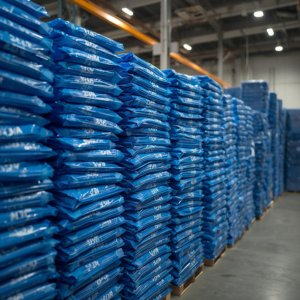
At Insinc Products, we supply recyclable courier bags made from post-consumer recycled plastics that are tough, clean-looking, and customisable. Whether you’re a boutique clothing brand or a growing online retailer, we offer cost-effective, eco-aligned packaging that fits your logistics and sustainability needs.
FAQ – Switching to Recyclable Courier Bags
Will switching to recyclable bags cost more?
No. In fact, recyclable bags are usually more cost-effective than compostable ones, offering both durability and sustainability.
Are they strong enough for my shipping needs?
Yes. Our recyclable bags are water- and tear-resistant and suitable for domestic and international shipping.
What types of businesses use recyclable courier bags?
They’re ideal for eCommerce retailers shipping clothing, books, accessories, boxed goods, and more.
Do customers actually recycle them?
Many do, especially when bags are clearly labelled. You can include disposal instructions in your packaging.
Where can I get recyclable courier bags in NZ?
Right here at Insinc Products! We supply businesses across New Zealand with reliable, sustainable packaging solutions.
Conclusion
Switching to recyclable courier bags is a smart move for New Zealand online stores. From customer satisfaction to regulatory readiness and cost savings, the benefits are clear. Make the shift today and align your business with a greener future.
https://www.insinc.co.nz/category/courier-bags-recycled-plastic
Posted: Friday 23 January 2026